Overview
Abstract
Ultra-cheap microchips (<$1) are abundant and account for the vast majority of the >400 billion pieces sold per year. Their numbers keep growing as new technology nodes are released every few years, while older ‘mature’ nodes (from as far back as the 1980s) are continuously used to produce in volume. These microchips do not exist on their own; they are packaged into every possible gadget around us, whether necessary or not. They make everyday objects ‘smart’, but this also increases their obsolescence. From disposable vapes to smart toys, cheap microchips enable the production of billions of new objects that will be discarded very soon. We want to investigate the environmental consequences of not cutting-edge microchips (as in AI and data centres), but of older generations that keep piling up production volume. In this workshop, we will investigate the enormous production cycle and examine its supply chains from an environmental perspective.
Track
General information
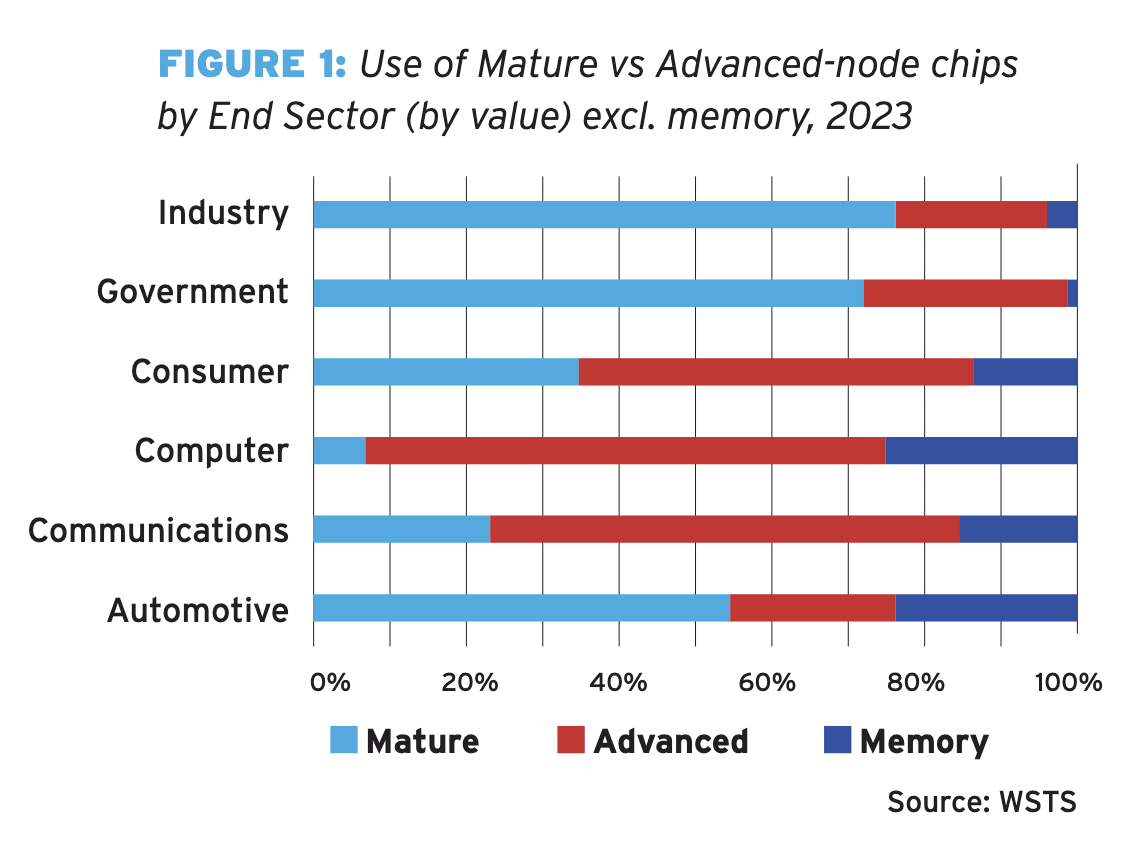
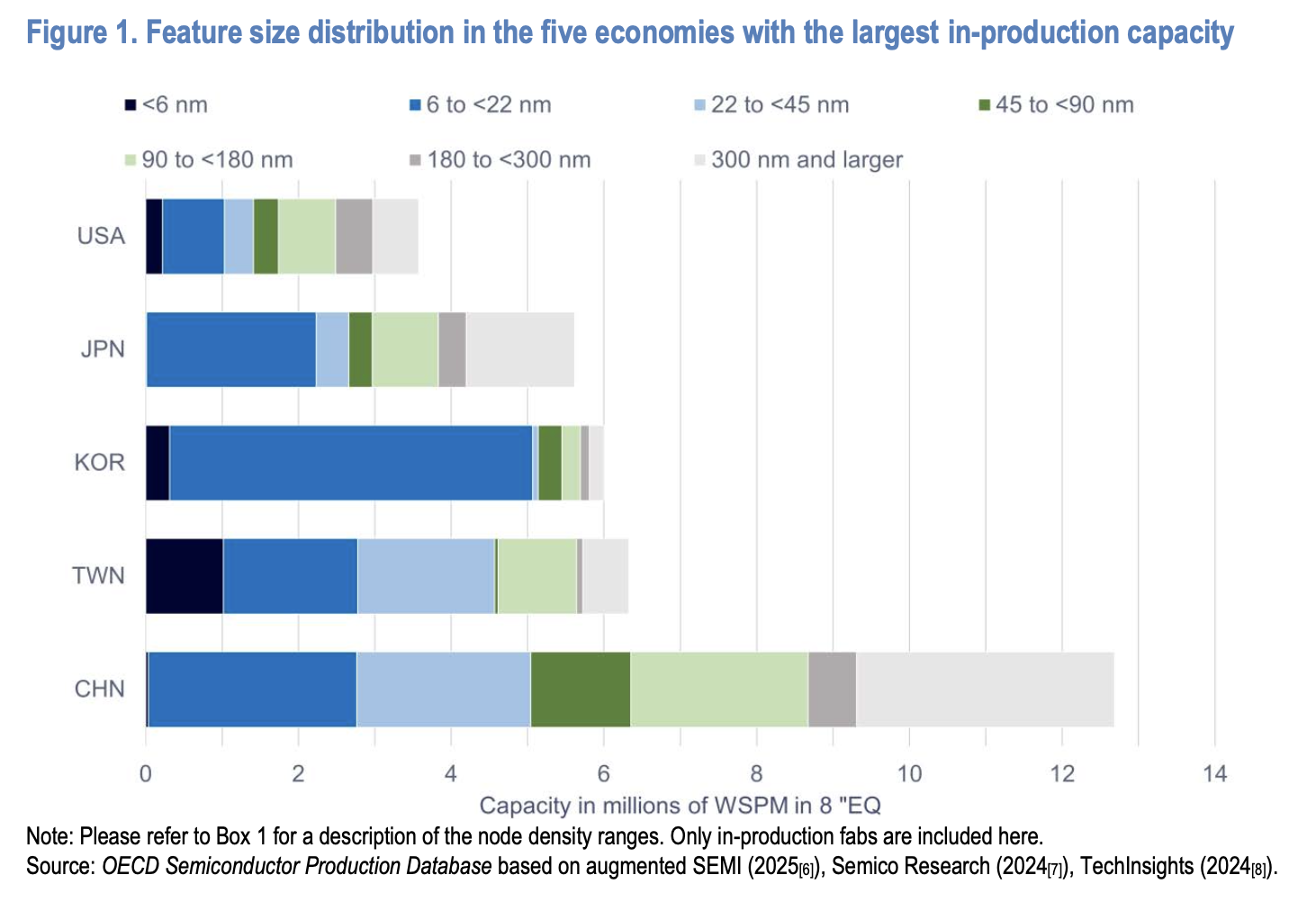
According to the Semiconductor Industry Association (SIA), mature-node chips are generally defined as those with feature sizes ≥28nm and are critical to a range of downstream industries, including automotive, industrial automation, communications, consumer electronics, government (including military and defense).
Mature node chips:
- comprise roughly 60% of global fab capacity operations ;
- accounted for roughly 88% of global semiconductor units sold in 2023.
Organizers
- Srinjoy Mitra, University of Edinburgh, UK
- Adrian Friday, Lancaster University, UK
- Fieke Jansen, Critical infrastructure lab at University of Amsterdam, NL
- Gauthier Roussilhe, Hubblo, FR
Srinjoy Mitra is a Professor at the University of Edinburgh. His work is in junction of semiconductor technology and its multidimensional impact in the society. He has experience in hosting several workshops and summer schools on ICT sustainability and medical electronics. Adrian Friday is a Professor of Computing & Sustainability at Lancaster University. He has substantial experience as a conference and workshop organiser including recent workshops stainability and ICT (NordiCHI, 2022; The Future of HCI; CHI, 2018 and ICT4S, 2023). Gauthier Roussilhe is head of R&D at Hubblo, a French consultancy on environmental assessment of digitalization. He co-authored several papers on the environmental footprint of semiconductors manufacturing and the upstream supply chains. He has experience hosting workshops and interdisciplinary doctoral schools. Fieke Jansen is a postdoc researcher at the media studies department and a co-principal investigator with the critical infrastructure lab at the University of Amsterdam.
Contact